
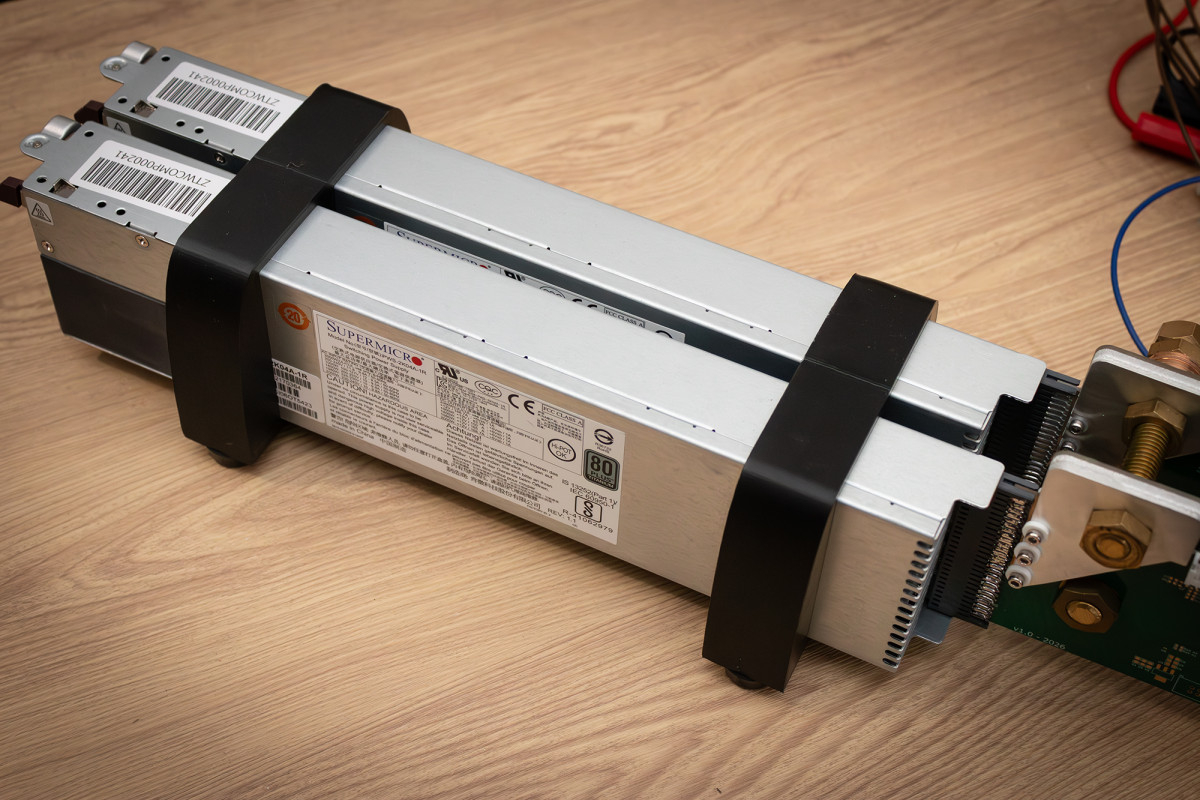
One of the challenges when developing high-current automotive electronics is having a power supply capable of delivering realistic currents. Laboratory power supplies are excellent for precision work, but once you start testing products designed to switch 100A or more, they quickly become impractical. High-current bench supplies are expensive, bulky and, for many small engineering businesses, difficult to justify.
For the development of the Synapse PDM, I needed a reliable source of high-current 12V power for thermal testing, load testing and firmware validation. However, unlike many applications, I didn’t need an adjustable output voltage. The PDM is designed for automotive electrical systems, so a stable 12V supply is perfectly adequate for the majority of my testing.
That opened the door to a much more cost-effective solution.
Why a Server Power Supply?
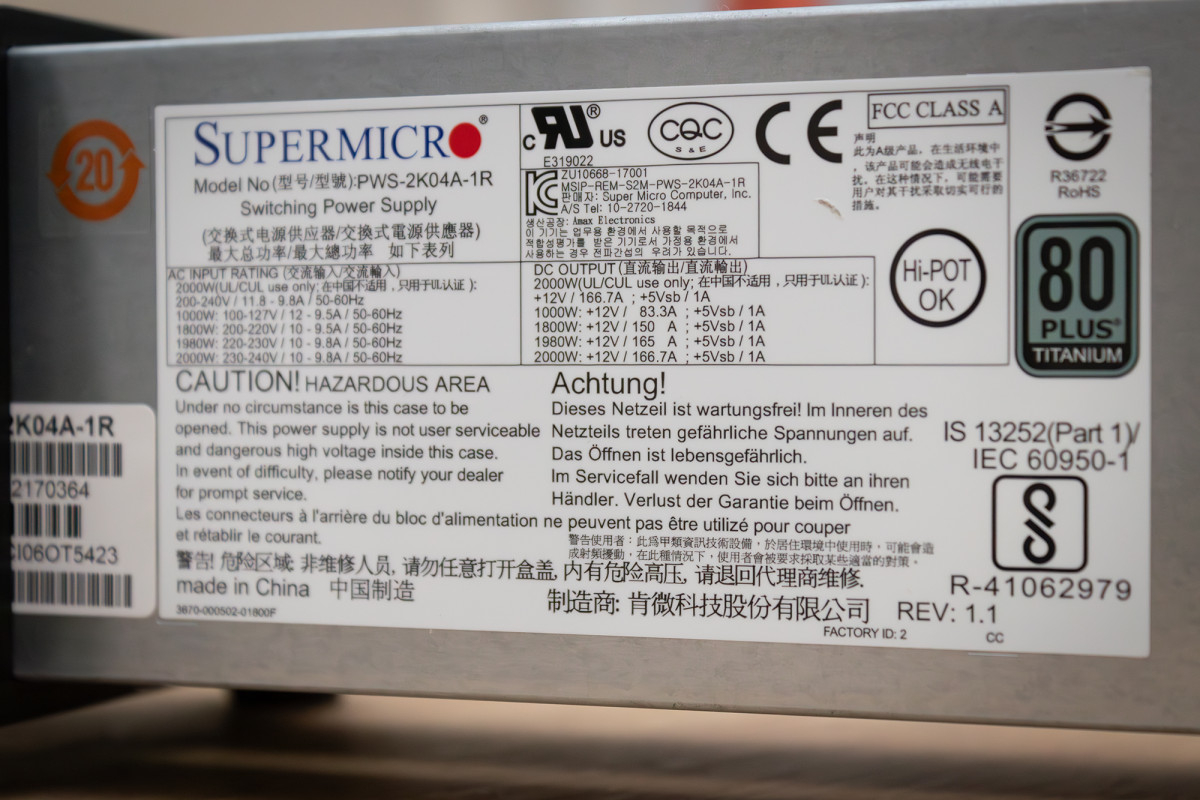
Modern server power supplies are remarkable pieces of engineering. Designed to operate continuously in data centres, they offer extremely high efficiency, excellent regulation and enormous current capability.
The particular units I’m using are capable of delivering around 12V at up to 167A each with current sharing, making them ideal for automotive development work.
Compared to purchasing a dedicated laboratory supply with similar current capability, surplus server PSUs cost only a fraction of the price while offering exceptional reliability.
Of course, there is a catch.
Server PSUs aren’t designed to sit on an electronics workbench. They expect to live inside a server chassis with proprietary connectors, management interfaces and cooling arrangements. Turning one into a practical bench supply requires a little engineering.
Designing an Adapter Rather Than Modifying the PSU
Rather than modifying the power supply itself, I decided to design a dedicated interface PCB.
This plugs directly into the server PSU connector and performs several jobs:
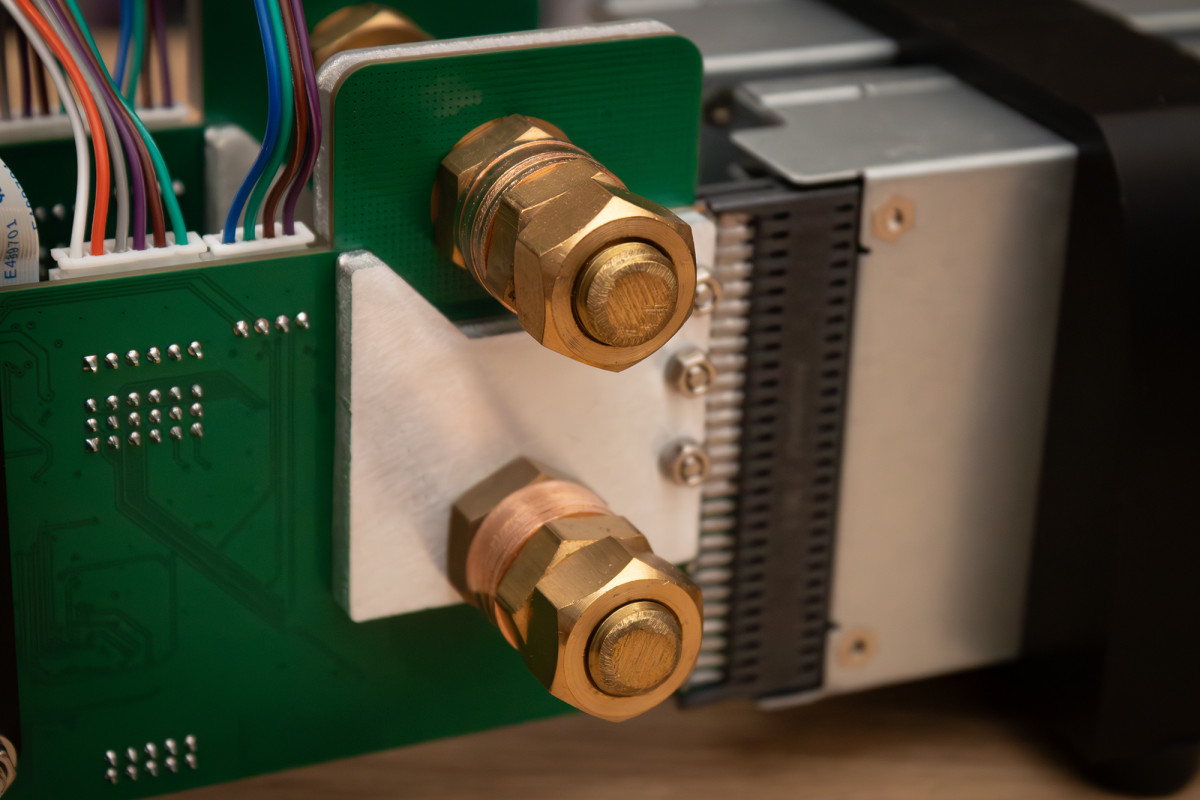
- Brings the high-current outputs out to robust screw terminals.
- Enables the PSU correctly.
- Includes status indication.
- Uses large aluminium heat spreaders to safely carry very high currents.
- Allows safe connection to test equipment.
Keeping the PSU itself completely unmodified means it remains serviceable and easily replaceable if required.
Managing High Current
One of the interesting challenges wasn’t the electronics—it was simply carrying the current safely.
At well over 150A, PCB copper alone is no longer sufficient. Instead, I’ve designed substantial aluminium bus plates that clamp directly to large copper areas on the PCB using thermal interface material. These dramatically reduce electrical resistance while also acting as heatsinks.
The mounting hardware is electrically isolated using insulating bushes and shoulder washers, allowing each bus plate to remain isolated while still being mechanically secure.
It’s a simple solution that makes use of readily available materials rather than requiring expensive custom copper busbars.
More Than Just Power
Although the primary goal was simply to obtain a high-current 12V supply, the interface board has become a useful engineering project in its own right.
It includes:
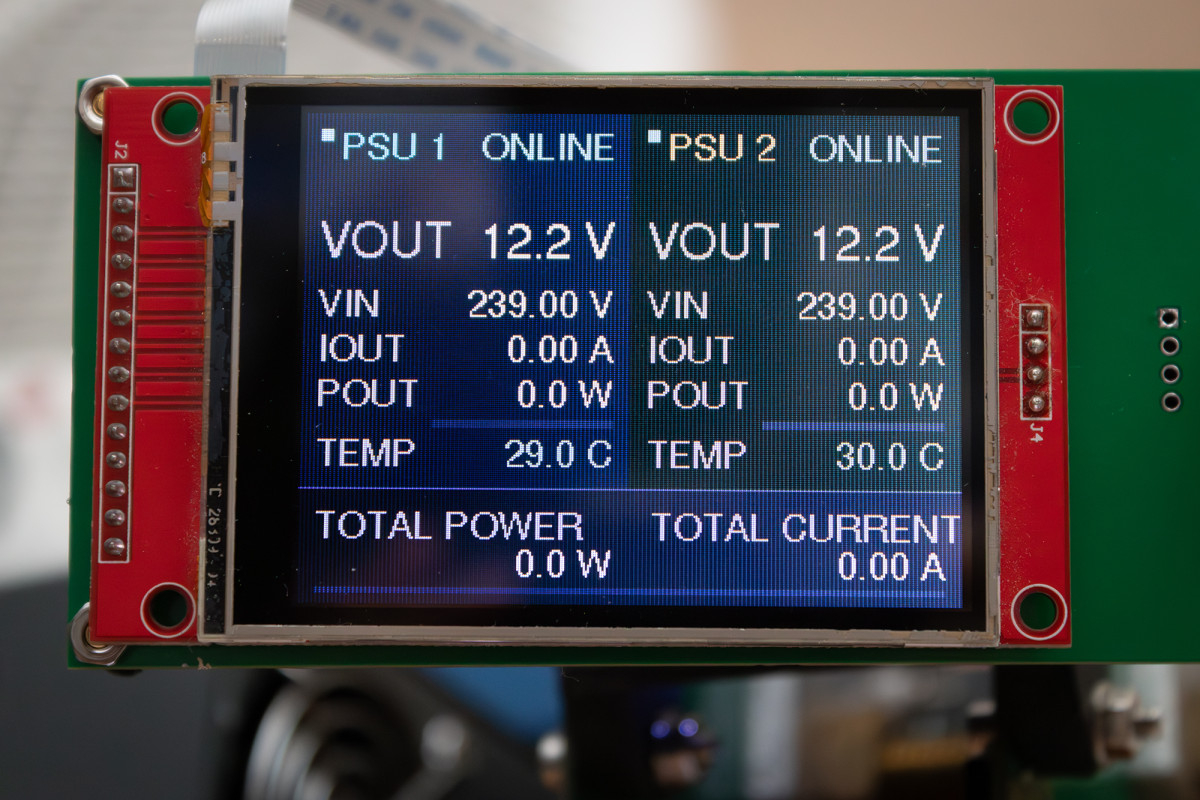
- Voltage and current measurement.
- Cooling fan control.
- Status LEDs.
- Protection circuitry.
- Convenient test connections.
- USB serial and LCD monitoring.
Instead of a collection of wires hanging from a server PSU, the result is a tidy piece of bench equipment that integrates neatly into my development workflow.
A Tool Built for the Job
Projects like this highlight one advantage of being a small engineering company. Sometimes the best solution isn’t the most expensive piece of equipment—it’s designing exactly what you need.
For my application, spending thousands of pounds on a programmable high-current laboratory supply simply didn’t make sense. The Synapse PDM only requires a stable automotive supply for most bench testing, so repurposing enterprise hardware provides almost everything I need at a fraction of the cost.
It’s also a satisfying example of engineering reuse. Hardware originally designed to power servers in a data centre is now helping me develop automotive electronics capable of switching over 150A.
Next, I’ll be sharing details of the electronic load designed for testing high currents on the bench, also.
